This is not chat. These are consequential actions.
- Updating records
- Routing decisions
- Modifying workflows
- Triggering payments
- Approving actions
- Communicating externally
- Escalating exceptions

Agentius deploys AI agents for high-consequence business workflows, governed by Zaubern’s authority layer. Agents can propose, route, draft, and act inside defined boundaries while critical actions are policy-gated, escalated, evidenced, and controlled at runtime.
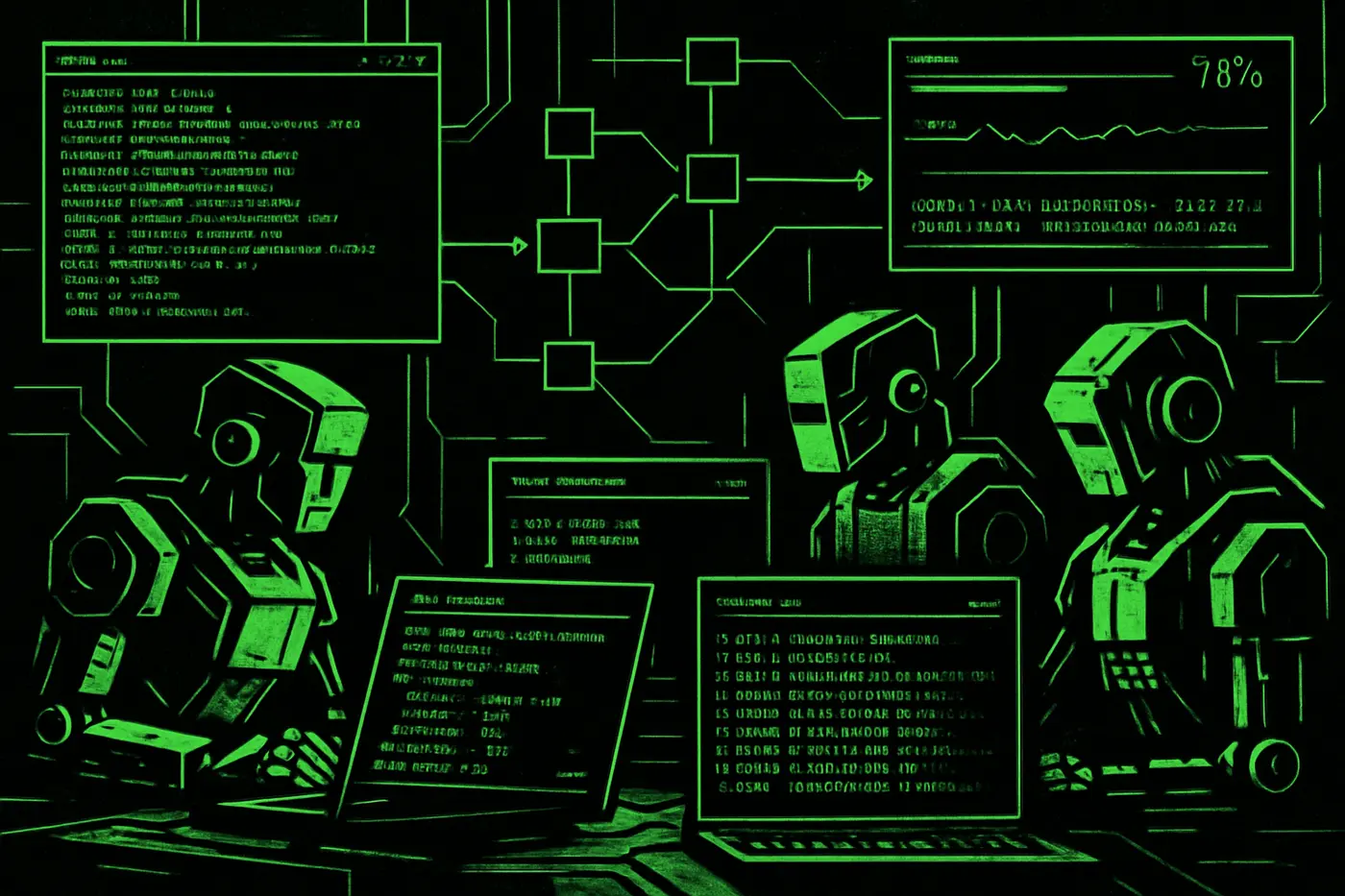
The first wave of enterprise AI generated content. The next wave executes operations. Different risks. Different architecture. Different controls.
Agents that send payments, modify records, trigger workflows, contact customers, or influence decisions cannot be governed by prompts and after-the-fact dashboards.
The authority surface represents the systems, actions, and autonomy levels AI can exercise inside an operation. Agentius starts by mapping which systems an agent can touch, which capability it exercises, and which authority level is required before execution.
Different authority levels require different execution controls.
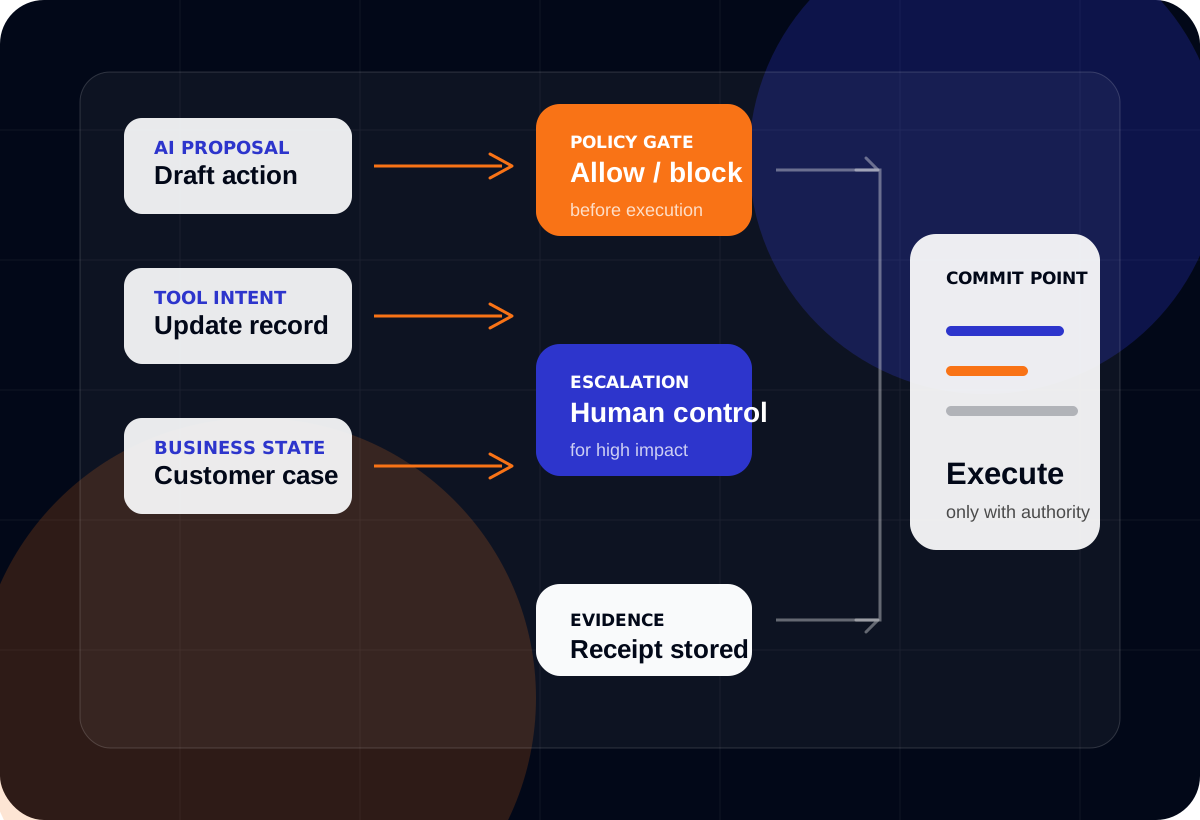
Agentius makes execution mechanics visible: which policy applies, who approves, when escalation happens, which operating state is observed, and what evidence remains afterward.
The agent proposes an action inside the workflow, but does not receive direct authority to execute it.
The action is evaluated against authority rules, impact, touched system, and stop conditions.
Sensitive actions move to human approval, legal review, or financial control based on class.
Only the permitted action runs, in the right system, under the defined authority level.
The decision, inputs, and outcome remain available for audit and review.
Authority is not defined by agent. It is defined by process, action, consequence, and required control.
The same agent can draft freely, route under policy, and escalate before irreversible action. That is the operating model executives understand immediately.

Invoice reconciliation, payment exceptions, spend reviews, and approval routing with explicit execution limits.
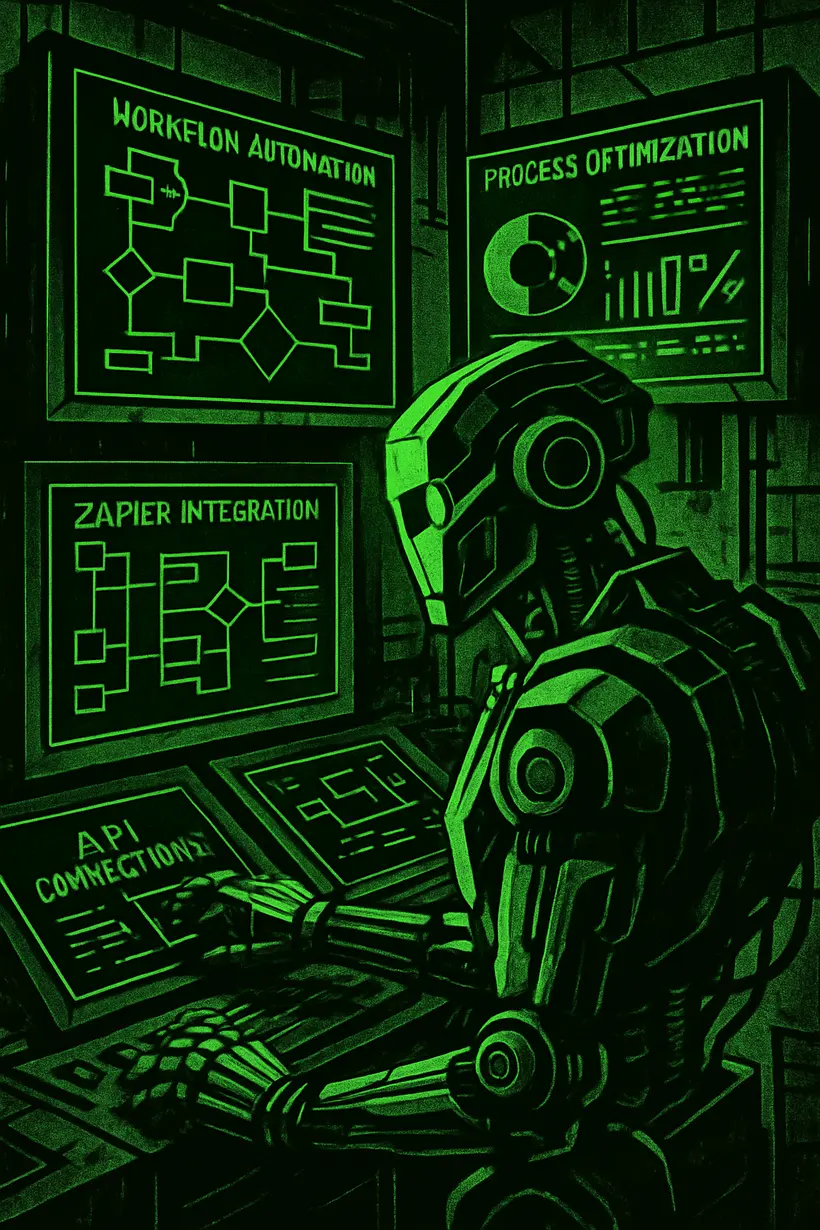
Vendor intake, policy checks, missing document routing, and escalation for out-of-policy requests.
Intake triage, document preparation, evidence gathering, and deterministic handoff into human review.

Customer operations where agents can respond, route, and draft without expanding their own authority.
Identify the workflow, systems touched, consequence classes, and stop conditions.
Translate intent into action classes, approval requirements, exception routes, and evidence rules.
Ship the agentic system into the real stack with bounded tool access and human review where it belongs.
Review exceptions, expand safe autonomy, and improve throughput without weakening the control boundary.
Most AI consultancies optimize for autonomy. Agentius optimizes for bounded execution. A lightweight Zaubern-derived layer supplies the authority boundary underneath the operational work clients actually buy.
Agentius is a Mexico City-based operational AI deployment company focused on governed agentic operations for high-impact enterprise workflows.
If the workflow touches money, approvals, legal commitments, regulated operations, or sensitive escalation paths, that is where Agentius becomes useful.